

What is Digital marketing
Digital marketing is the practice of promoting products, services, or brands using digital technologies and online channels. It leverages the internet and electronic devices like computers, smartphones, and tablets to reach and engage customers.
Key Channels of Digital Marketing:
- Search Engine Optimization (SEO)
- Optimizing websites to rank higher on search engines like Google.
- Content Marketing
- Creating and sharing valuable content (blogs, videos, infographics) to attract and retain an audience.
- Social Media Marketing
- Promoting on platforms like Facebook, Instagram, LinkedIn, and Twitter.
- Email Marketing
- Sending targeted emails to nurture leads and maintain customer relationships.
- Pay-Per-Click Advertising (PPC)
- Paid ads on platforms like Google Ads or social media.
- Affiliate Marketing
- Partnering with others to promote products and earning commissions for sales.
- Influencer Marketing
- Collaborating with influencers to reach their followers.
- Mobile Marketing
- Marketing via SMS, mobile apps, or mobile-optimized websites.
Benefits of Digital Marketing:
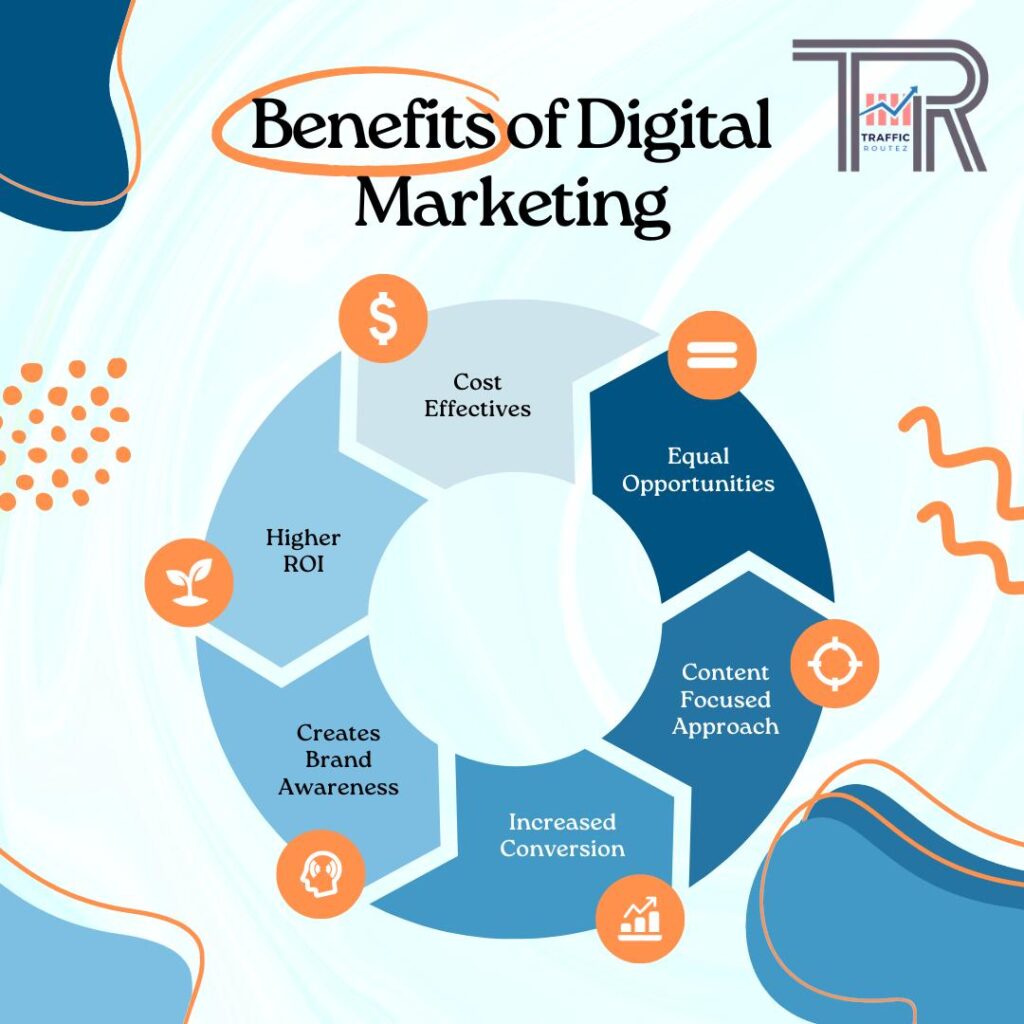
- Global reach and targeting capabilities
- Cost-effectiveness compared to traditional advertising
- Measurable results through analytics
- Real-time customer engagement
- Personalization and automation
What is social media Marketing
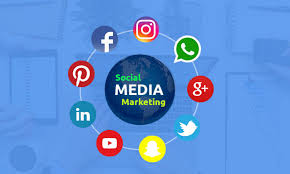
Social media refers to digital platforms that allow users to create, share, and interact with content and each other. In the context of digital marketing, social media is a powerful tool for building brand awareness, engaging customers, and driving sales.
🔑 Popular Social Media Platforms for Marketing:
| Platform | Primary Use | Target Audience |
|---|---|---|
| Ads, groups, pages, events | Broad, older & diverse audience | |
| Photos, videos, Reels, Stories | Younger, visual-focused users | |
| Twitter/X | Real-time updates, news, hashtags | Professionals, media, influencers |
| B2B marketing, job recruitment, thought leadership | Professionals, businesses | |
| TikTok | Short-form video content | Gen Z, young millennials |
| YouTube | Long-form and short-form video marketing | All age groups, global audience |
| Visual discovery and ideas | DIYers, shoppers, lifestyle users |
✅ Why Use Social Media in Marketing?
- Brand Visibility – Reach millions of people quickly.
- Engagement – Likes, comments, shares create interaction.
- Targeted Advertising – Ads can be shown to very specific audiences.
- Customer Support – Respond to queries and feedback publicly or privately.
- Trends & Virality – Join trends to gain exposure quickly.
🎯 Examples of Social Media Marketing Tactics:
- Posting daily tips or behind-the-scenes videos.
- Running paid ad campaigns.
- Partnering with influencers.
- Hosting giveaways or contests.
- Using hashtags to boost discoverability.
🔍 What is SEO?
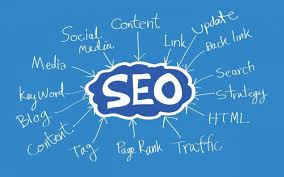
SEO (Search Engine Optimization) is the practice of improving your website so that it ranks higher in search engine results (like Google or Bing), which helps you get more organic (unpaid) traffic.
🧠 How SEO Works:
Search engines use algorithms to decide which websites are most relevant to a user’s search. SEO helps you align your website with these algorithms by improving factors like:
- Relevance – Are you answering the user’s question clearly?
- Authority – Do other sites trust and link to you?
- User Experience – Is your site fast, mobile-friendly, and easy to navigate?
🧩 Types of SEO:
| Type | Focus Area | Example |
|---|---|---|
| On-Page SEO | Content & structure on your website | Keywords, headings, image alt text |
| Off-Page SEO | External factors outside your site | Backlinks, social sharing, brand mentions |
| Technical SEO | Website backend and infrastructure | Site speed, mobile-friendliness, sitemap |
| Local SEO | Visibility in local search (Google Maps, etc.) | Google Business Profile, local reviews |
🛠️ Basic SEO Techniques:
- Use relevant keywords in your content (but not too many).
- Write helpful, original content that answers user questions.
- Make sure your site loads fast and is mobile-friendly.
- Add descriptive titles and meta descriptions to every page.
- Get backlinks (links from other reputable websites).
📈 Why SEO Matters:
- Free traffic – Unlike ads, organic clicks don’t cost you money.
- Long-term results – Good SEO keeps paying off over time.
- Credibility – Top search results are trusted more by users.
- Better user experience – SEO improves overall website quality.
📱 What is Social Media Optimization (SMO)?
Social Media Optimization (SMO) is the process of optimizing your social media profiles, content, and activity to increase visibility, engagement, and traffic to your website or business.
Think of SMO as the SEO of social media — it helps you get noticed, grow your audience, and encourage meaningful interactions.
🔧 Key Elements of SMO:
| Component | What It Involves |
|---|---|
| Profile Optimization | Use clear branding (logos, banners), complete bios, and contact info |
| Consistent Posting | Maintain a regular schedule with quality content |
| Content Strategy | Share valuable, engaging, and shareable content |
| Hashtag Use | Use relevant hashtags to improve discoverability |
| Cross-Promotion | Link your social accounts and promote across platforms |
| Engagement | Reply to comments, start conversations, join trends |
| Social Sharing Buttons | Add share buttons on your website/blog posts |
🧠 SMO Tips & Best Practices:
- Use relevant keywords in your bio and posts.
- Use images and videos – posts with visuals perform better.
- Post at optimal times when your audience is most active.
- Join relevant groups or communities and share your expertise.
- Analyze performance with tools like Facebook Insights or Instagram Analytics.
- Create shareable content like memes, quotes, tips, and infographics.
📊 Benefits of SMO:
- Increases brand awareness and online visibility.
- Boosts traffic to your website or product pages.
- Improves search engine rankings indirectly (through social signals).
- Builds community and trust around your brand.
- Helps with lead generation and customer support.